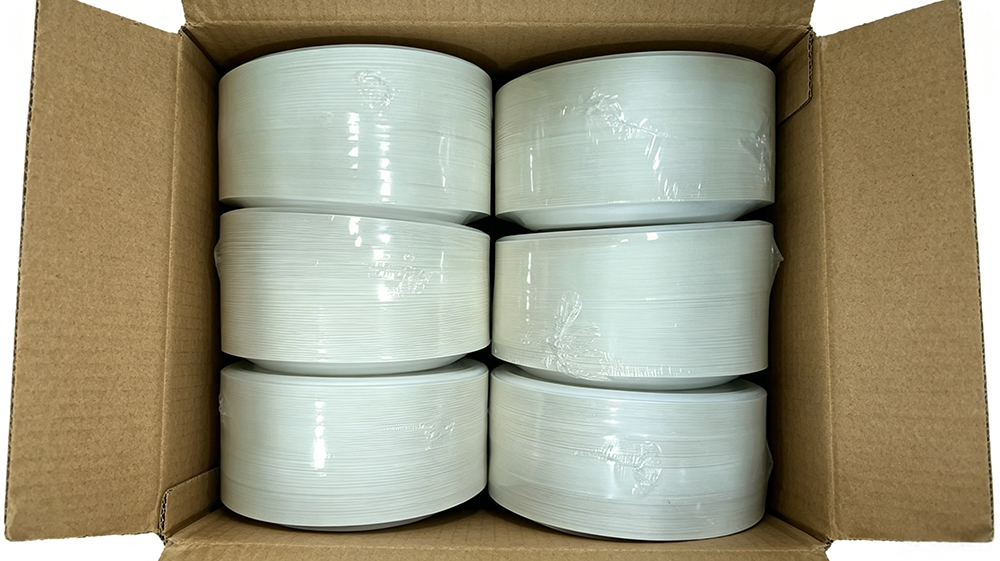
When "Just a Bowl" Became a 6-Figure UK Order

A simple inquiry. One unusual request. A British catering company that cared about something most people don't even notice.
The Message That Started It All
Five months ago, our inbox lit up with a message from a UK-based contract caterer. They serve corporate canteens, university dining halls, and event venues across England – the kind of places that serve thousands of meals a day and can't afford a single packaging failure.
They wanted bagasse bowls. Six sizes. 30,000 packs.
Nothing unusual about that. We've done bigger orders. But then came their email subject line:"Not just any bowls – ones that don't sound cheap."
We read it twice. "Sound cheap"? Who listens to a bowl?

Round 1: The Sound Test
The client explained. In British corporate catering, the dining experience is sensory. The visual. The taste. The smell. And, apparently, the sound.
"When our clients pick up a bowl, we want them to hear quality. Plastic bowls sound hollow. Thin paper bowls sound flimsy. We need a bowl that sounds solid when you tap it."
We sent our standard samples. They tapped them. They measured the sound with a phone app (seriously). Their verdict:
"The 8oz sounds acceptable. The 16oz sounds hollow. The 28oz sounds like it's going to crack."
We were stumped. We'd never been asked to tune a bowl like a musical instrument.
Our solution: we increased the density of the forming process for the larger bowls, compressing the fiber more tightly at the base and side walls. This made the material less porous and more rigid, which changed the acoustic response. We also added a slight thickening ring around the rim of the larger sizes, which acted like a structural brace.
We sent the revised samples. The client tapped again.
"All sizes now sound consistent. You actually fixed the sound."
Round 2: The Condensation Problem
Round two of samples introduced a new challenge. The client had tested our bowls with hot soup and noticed something we'd never been asked about before:
"The 12oz bowl shows condensation on the outside within 3 minutes of filling. Our servers carry bowls from kitchen to table – up to 40 metres in some venues. By the time the bowl reaches the guest, the outside is damp. That's not acceptable for our presentation standards."
We checked. It was true. Our standard bagasse bowls, like most plant-fiber tableware, allow some moisture migration. Most clients never complain. But this UK client had a specific need.
The fix wasn't simple. Adding a plastic coating would compromise our compostability promise. Instead, we adjusted the fiber consistency during the wet pressing stage to create a denser outer layer without adding any chemical barriers. This reduced moisture migration by approximately 40% without affecting the bowl's compostability.
The client approved the modified bowl in the third sample round. No condensation. No damp servers. No complaints.
Round 3: The "Invisible" Logo
Once the bowls performed perfectly, the client asked about branding. Their logo was simple – a wordmark in a specific shade of navy blue. But their request was unusual:
"We don't want the logo to look printed. We want it to look like it belongs there. No white edges. No raised ink. Just the colour, flat and clean."
This is technically challenging on uncoated bagasse fiber. Ink tends to spread slightly, creating a fuzzy edge. We tested three different ink formulations and two printing pressures before achieving a result where the logo looked like it was part of the fiber, not sitting on top of it.
The client's response after receiving the sample?
"This is the cleanest print we've seen on bagasse. It looks like the bowl came out of the mould with the logo already there. Approved."

The Result: 30,000 Packs, One Reorder, and a Lesson
We shipped 30,000 packs across six sizes. Four weeks later, the client emailed us again:
"We'd like to add your bowls to our standard procurement list. Please send details for 2026 contract."
What did this UK order teach us?
First, listen to what clients aren't saying. This client didn't talk about compostability or certifications (though they checked those too). They talked about presentation – the sound, the feel, the look. They were selling an experience, not just a meal.
Second, solve the real problem, not the assumed one. They could have used plastic bowls with better presentation. They chose not to. They wanted sustainable and premium. We helped them have both by addressing the actual friction points.
Third, there's no such thing as "just a bowl." Every client has a different definition of "good enough." The UK market, in particular, sets the bar high on presentation standards. Meeting those standards on our terms – without compromising sustainability – is what turned a single order into a contract.

How 5 Rounds of Samples Won a 35,000-Pack Order – A U.S. Story of Consistency